
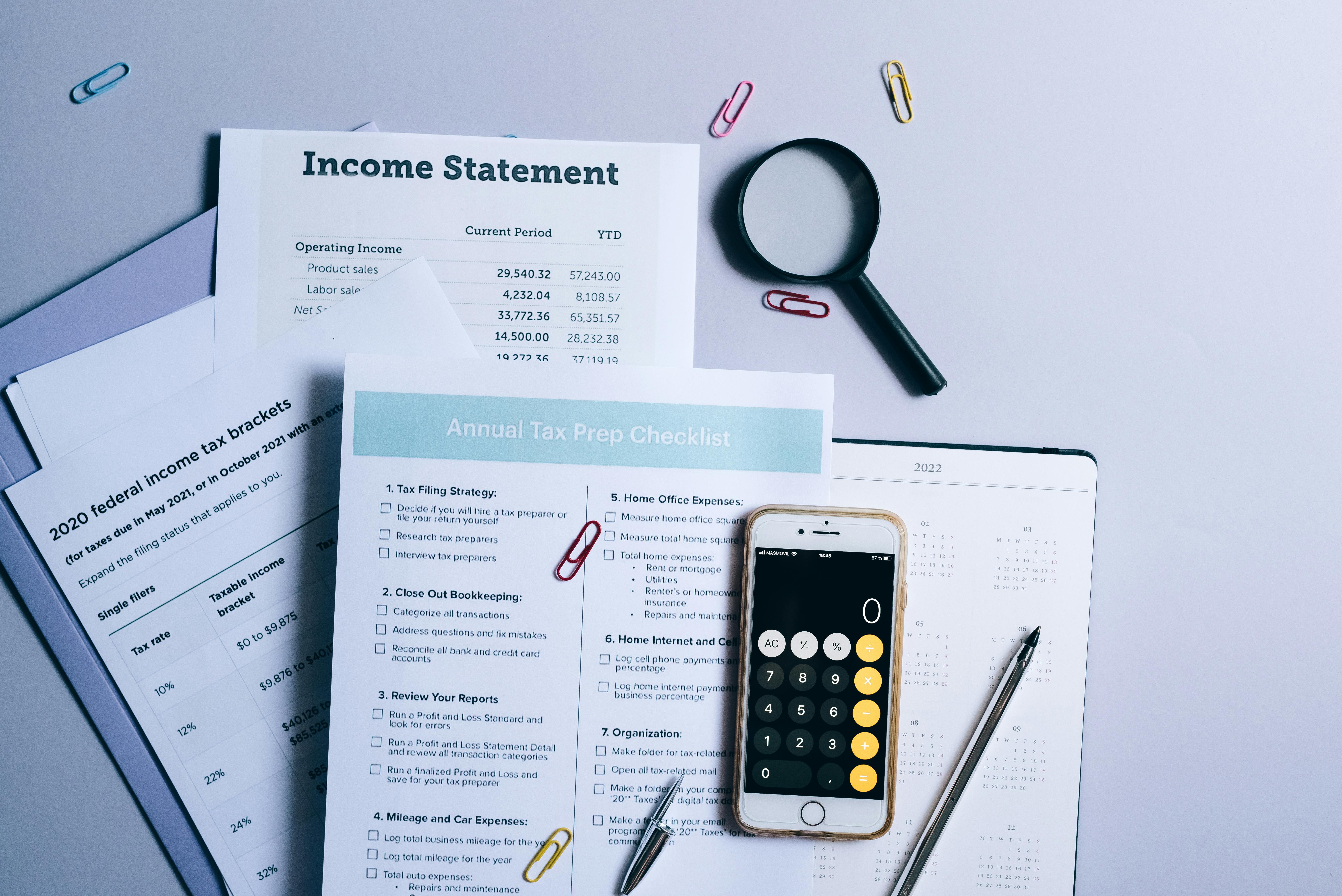
Unlock massive tax savings in 2026 with cutting-edge AI tax planning software and services. Discover how artificial intelligence is revolutionizing tax optimization, identifying hidden deductions, and preserving your wealth. Compare the best AI-powered tax tools and financial advisors to detoxify your debt and maximize your financial future.
Introduction to the Topic
Welcome to 2026, where the financial landscape continues its rapid evolution, and nowhere is this more evident than in the realm of tax planning. The days of sifting through mountains of receipts and grappling with complex tax codes are rapidly becoming a relic of the past. Today, the savvy investor and diligent taxpayer are turning to an invaluable ally: Artificial Intelligence. AI is not just a buzzword; it's a transformative force reshaping how we approach our finances, especially when it comes to minimizing our tax burden and maximizing our wealth accumulation. For detoxifydebt.com readers, understanding and leveraging AI in tax planning is no longer an option – it's a strategic imperative.
This article will delve deep into the burgeoning world of AI-powered tax planning for 2026. We'll explore how these intelligent systems are going beyond simple calculations, offering predictive insights, real-time optimization, and personalized strategies that were once only accessible to the ultra-wealthy. If you're looking to gain a significant edge, reduce your tax liability, and secure your financial future, then embracing the power of AI in your tax strategy is your next crucial step.
Backgrounds & Facts
The complexity of tax codes has long been a daunting challenge for individuals and businesses alike. With annual adjustments, new credits, evolving deductions, and state-specific nuances, staying compliant and optimized feels like a full-time job. Traditional tax software, while helpful, primarily automates data entry and basic calculations. It rarely offers proactive, personalized advice that adapts to your unique financial situation throughout the year.
Enter Artificial Intelligence. By 2026, AI has matured significantly, moving from theoretical concepts to practical, powerful applications in finance. Machine learning algorithms can process vast datasets – your transaction history, investment portfolios, income streams, and even relevant market trends – in mere seconds. This allows AI systems to identify patterns, predict future tax implications, and uncover deductions or credits that a human, or even conventional software, might easily overlook. For instance, AI can now analyze your spending habits to categorize obscure business expenses, optimize capital gains harvesting strategies, or even forecast the impact of a significant life event (like buying a home or starting a business) on your year-end tax bill.
The market for AI in financial services is booming, projected to reach hundreds of billions globally by the end of the decade. This growth is fueled by a demand for greater accuracy, efficiency, and most importantly, proactive tax savings. Early adopters are reporting significant reductions in their overall tax liability, often ranging from 5% to 15% annually, simply by leveraging AI's analytical prowess. This isn't just about filing taxes; it's about continuous, intelligent financial optimization designed to keep more money in your pocket.
Expert Opinion / Analysis
“The shift to AI in tax planning is perhaps the most significant revolution since the advent of the personal computer,” states Dr. Eleanor Vance, Lead Tax Futurist at Quantum Financial Analytics. “What we’re seeing in 2026 is AI moving beyond merely processing data to actually understanding the intent and context of financial transactions. It’s about predictive analytics that can model dozens, even hundreds, of 'what-if' scenarios in real-time. Imagine an AI that not only tells you what you owe but actively suggests optimal strategies to reduce that amount, flagging opportunities months in advance.”
Sarah Chen, CEO of AI Tax Solutions Inc., emphasizes the democratizing effect of this technology. “Historically, bespoke tax optimization was a luxury reserved for high-net-worth individuals who could afford dedicated financial teams. AI is changing that. Our platforms provide sophisticated, personalized tax advice to a broader audience, empowering everyone to make smarter financial decisions. However, it's crucial to remember that AI is a tool. It enhances human expertise; it doesn't entirely replace it. The best outcomes come from a synergistic approach, where AI handles the heavy data lifting and complex calculations, allowing human advisors to focus on nuanced strategic guidance and client relationships.”
Experts agree that while the benefits – increased accuracy, significant time savings, and proactive tax reduction – are immense, users must also be mindful of data security and the need for human oversight. Robust encryption, compliance with stringent financial regulations, and the ability to review and understand AI-generated recommendations are paramount. The future of tax planning isn't just automated; it's intelligently augmented, offering unprecedented opportunities for wealth preservation and growth.
💰 Best Options in Comparison (VERY IMPORTANT)
As the AI tax planning market matures in 2026, several key players and innovative services are emerging, catering to different needs and budgets. Whether you're a DIY enthusiast, a small business owner, or a high-net-worth individual seeking comprehensive solutions, there's an AI-powered option designed to help you detoxify your debt by optimizing your tax strategy.
- TaxSense AI Pro: The Premium Optimization Platform
TaxSense AI Pro is a comprehensive, subscription-based platform designed for proactive, year-round tax management. Leveraging advanced machine learning and predictive analytics, it integrates with all your financial accounts (banking, investments, payroll) to provide real-time tax liability estimations, identify potential deductions, and suggest optimal investment strategies to minimize capital gains taxes. It's particularly strong for complex portfolios and small to medium-sized businesses. - DeductoBot 3000: The Smart & Affordable DIY Assistant
DeductoBot 3000 is an intuitive, user-friendly AI assistant perfect for individuals and freelancers seeking to maximize their deductions with minimal effort. It uses natural language processing to guide users through the tax preparation process, asking smart questions based on their financial data and suggesting common and often overlooked deductions. Its strength lies in its simplicity and cost-effectiveness, making advanced tax planning accessible to everyone. - Synergy Tax Advisors: AI-Augmented Human Expertise
For those who prefer a human touch but want the power of AI, Synergy Tax Advisors offers a hybrid model. Their team of certified public accountants (CPAs) utilizes proprietary AI tools to analyze client financials, identify complex tax-saving opportunities, and provide highly personalized advice. This service is ideal for high-net-worth individuals, complex estates, or businesses requiring strategic financial planning beyond basic tax filing. The AI acts as a super-powered assistant, allowing the human advisor to deliver unparalleled strategic value.
To help you choose the best fit for your 2026 tax planning needs, here's a detailed comparison:
| Feature | TaxSense AI Pro | DeductoBot 3000 | Synergy Tax Advisors |
|---|---|---|---|
| Target User | SMBs, Investors, Complex Filers | Individuals, Freelancers, Basic Filers | High-Net-Worth, Complex Estates, Strategic Business |
| Core Offering | Year-round AI-driven optimization & planning | AI-guided deduction identification & filing | Human CPA with AI-powered insights & strategy |
| Key Benefit | Proactive tax reduction, investment alignment | Maximized deductions, ease of use, affordability | Personalized high-level strategy, complex problem-solving |
| Pricing Model | Subscription (Tiered, ~$150-$500/year) | One-time filing fee (Free-$99/year) | Retainer/Hourly (Premium, $500+/hour or project) |
| Data Integration | Extensive (banks, brokers, payroll, CRM) | Moderate (banks, credit cards) | Comprehensive (all financial data, legal docs) |
| Level of Automation | High (predictive, automatic categorization) | Medium (guided, suggestion-based) | Low-Medium (AI supports human decision) |
| Security & Privacy | Bank-level encryption, multi-factor auth | Industry standard encryption | Highest standards, bespoke data handling protocols |
Outlook & Trends
Looking ahead, the integration of AI into tax planning is only set to deepen and expand. By the end of the decade, we can expect AI systems to become even more sophisticated, offering hyper-personalized advice that considers not just your current financial standing but also your life goals, risk tolerance, and even behavioral economics. Imagine an AI that suggests optimizing your charitable contributions based on your philanthropic interests, or structuring your retirement savings based on your desired lifestyle in 20 years.
Further trends include the seamless integration of AI tax tools with other financial management platforms – from investment portfolios and budgeting apps to estate planning software. This will create a holistic financial ecosystem where every decision is automatically analyzed for its tax implications, enabling continuous, real-time optimization. The rise of quantum computing could also unlock unprecedented processing power for tax scenario modeling, allowing for optimization strategies that are currently beyond the reach of even the most powerful conventional AI.
However, this evolution will also bring challenges, particularly in regulatory frameworks. Governments worldwide will need to adapt tax laws to the capabilities of AI, ensuring fairness, transparency, and accountability. Data privacy and security will remain paramount, with robust ethical guidelines and advanced cybersecurity measures becoming standard requirements for all AI-powered financial tools. The future of tax planning is bright, intelligent, and incredibly dynamic.
Conclusion
The year 2026 marks a pivotal moment in tax planning, with Artificial Intelligence at the forefront of innovation. No longer confined to the realms of science fiction, AI-powered tools and services are now accessible, practical, and incredibly effective at helping individuals and businesses navigate the complexities of tax codes, identify hidden savings, and significantly reduce their tax liability. From comprehensive platforms like TaxSense AI Pro to user-friendly assistants like DeductoBot 3000, and the bespoke expertise of Synergy Tax Advisors, there’s an AI solution ready to transform your financial future.
Embracing AI in your tax strategy isn't just about saving money; it's about gaining peace of mind, achieving greater financial clarity, and proactively building wealth. It’s about leveraging the most advanced technology available to ensure that you keep more of your hard-earned money and effectively “detoxify your debt” by optimizing every possible tax advantage. Don't let the opportunity to revolutionize your financial planning pass you by. Explore these cutting-edge options today and step into a smarter, more prosperous financial tomorrow.