
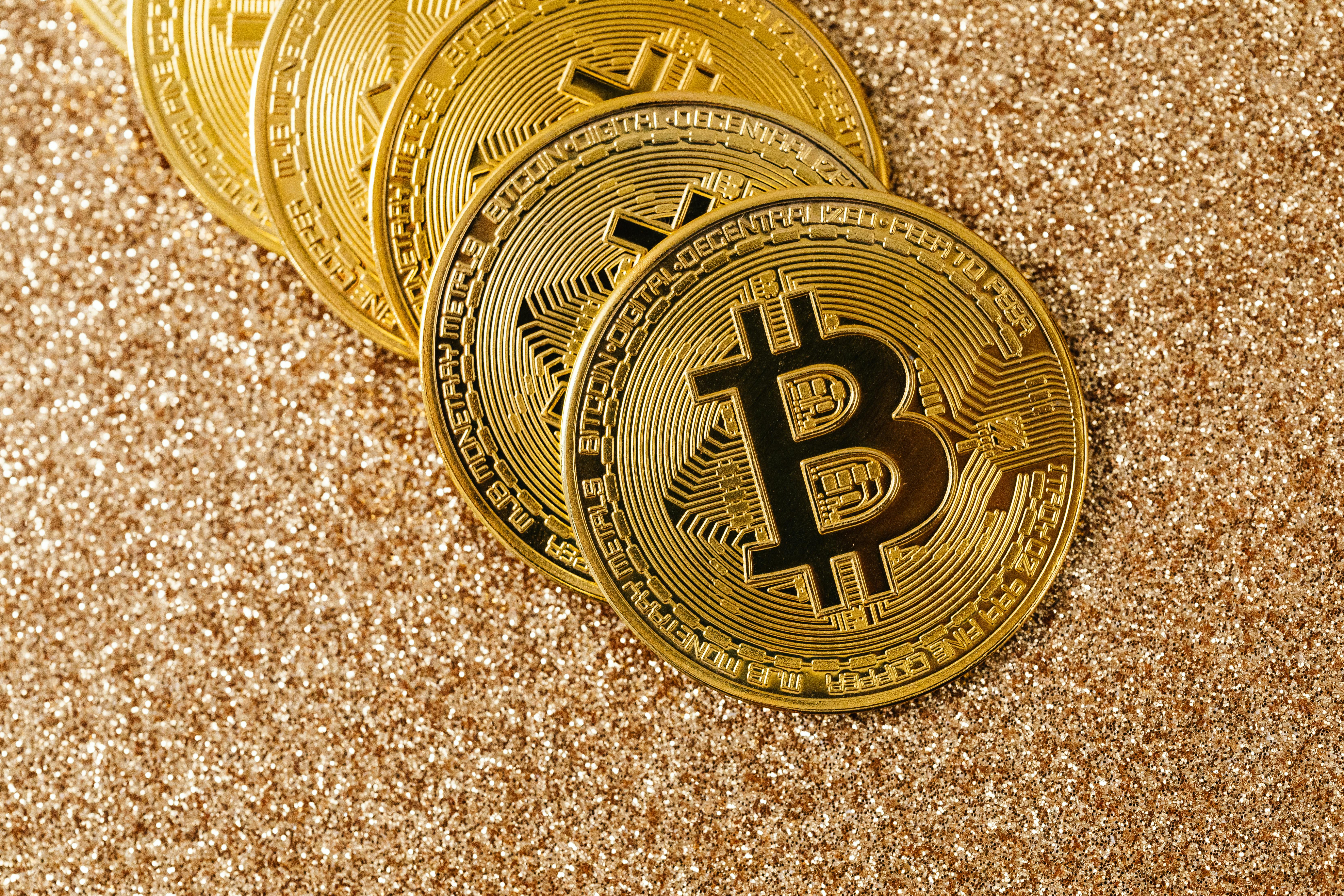
Discover how Real-World Asset (RWA) tokenization is transforming traditional investments like real estate, gold, private equity, and even debt into accessible, fractional, and liquid digital assets. Learn to leverage leading RWA platforms for unprecedented wealth creation, strategic debt reduction, and robust portfolio diversification in 2026, positioning you for a debt-free future.
Introduction to the Topic
The year is 2026, and the financial landscape is experiencing a seismic shift. For decades, exclusive investment opportunities in real estate, fine art, private credit, and commodities were reserved for the ultra-wealthy. These traditional assets, often illiquid and requiring substantial capital, presented significant barriers to entry for the everyday investor looking to build lasting wealth or strategically manage debt. Enter Real-World Asset (RWA) tokenization – a groundbreaking innovation at the intersection of blockchain technology and traditional finance, poised to unlock trillions in value and democratize access to high-value investments.
RWA tokenization is more than just a buzzword; it's the process of issuing a blockchain-based token that digitally represents ownership or rights to a tangible or intangible asset in the physical world. Imagine owning a fraction of a luxury apartment building in Dubai, a share of a blue-chip art collection, or even a piece of a corporate loan portfolio, all managed with the transparency, efficiency, and security of a blockchain. This isn't a future fantasy; it's happening now, offering unprecedented liquidity, accessibility, and new avenues for wealth creation and sophisticated debt solutions for the savvy investor. At detoxifydebt.com, we believe understanding and leveraging RWAs is critical for anyone aiming for true financial freedom in the coming years.
Backgrounds & Facts
The concept of tokenizing assets isn't entirely new, with early experiments dating back to the late 2010s. However, 2024-2026 has witnessed an exponential acceleration, fueled by maturing blockchain infrastructure, increased regulatory clarity, and a growing demand from both institutional and retail investors for yield-generating opportunities outside of traditional volatile crypto markets. Major financial institutions like BlackRock and Franklin Templeton are actively exploring and launching RWA funds, signaling robust institutional confidence and predicting a multi-trillion-dollar market within the next decade. Industry reports project the RWA tokenization market to exceed $10 trillion by 2030, making it one of the fastest-growing sectors in finance.
What types of RWAs are being tokenized? The spectrum is vast and ever-expanding:
- Real Estate: Fractional ownership of commercial properties, residential units, and development projects, enhancing liquidity and reducing entry barriers.
- Precious Metals & Commodities: Gold, silver, and other commodities backed by physical reserves, offering a stable, inflation-hedged digital asset.
- Private Credit & Debt: Tokenizing loans, invoices, and other debt instruments, providing new financing avenues for businesses and yield opportunities for investors. This is particularly relevant for debt management, as investors can tap into stable, collateralized income streams.
- Art & Collectibles: High-value artworks, rare wines, and luxury goods, made accessible to a broader investor base.
- Intellectual Property & Royalties: Future revenue streams from music, patents, and content, tokenized for upfront capital.
The underlying technology relies on robust blockchain networks – primarily Ethereum, Polygon, Solana, and Avalanche – which provide immutable ledgers, smart contract functionality for automated ownership transfers and dividend distributions, and cryptographic security. Oracles bridge the gap between off-chain asset data and on-chain smart contracts, ensuring real-time valuation and compliance. Regulatory frameworks, while still evolving, have seen significant progress in key jurisdictions like the EU (MiCA), Singapore, and parts of the US, providing a clearer legal foundation for asset issuers and investors alike. This blend of technological innovation and regulatory maturation makes 2026 the optimal time to engage with RWA tokenization.
Expert Opinion / Analysis
“RWA tokenization isn't just another crypto trend; it's the inevitable evolution of finance,” states Dr. Anya Sharma, a leading blockchain economist and author of 'Digitalizing Wealth'. “For too long, illiquidity has been the Achilles' heel of traditional assets. By bringing them on-chain, we're not only creating unprecedented liquidity but also fostering transparency and fractional ownership that was simply impossible before. This directly translates into new avenues for wealth creation and, crucially, sophisticated strategies for debt reduction.”
Indeed, the ability to collateralize tokenized real estate or private credit positions for low-interest loans in DeFi protocols offers a powerful new tool for managing existing debt. Instead of selling a physical asset, which can be time-consuming and costly, an investor can use its tokenized representation as collateral to access immediate liquidity. “Imagine you own a tokenized share of a commercial building,” explains Marcus Chen, Head of Digital Assets at Horizon Financial Group. “If you need capital to pay off high-interest credit card debt or consolidate loans, you can use your RWA tokens as collateral in a decentralized lending pool, often at more favorable rates than traditional banks. This allows you to leverage your assets without relinquishing ownership, a game-changer for financial planning.”
However, experts caution that due diligence remains paramount. “While the potential is immense, investors must understand the underlying asset's fundamentals, the platform's security, and the regulatory compliance of the token itself,” advises Sarah Jenkins, a financial advisor specializing in digital assets. “Smart contract risks, oracle reliability, and the actual enforceability of off-chain legal rights are critical considerations. Always look for platforms with strong legal frameworks, transparent auditing, and proven track records. Diversification, even within your RWA portfolio, is key to mitigating risk and maximizing long-term gains.” The consensus among experts is clear: RWAs offer a revolutionary path to financial empowerment, but informed participation is non-negotiable.
💰 Best Options in Comparison (VERY IMPORTANT)
Navigating the burgeoning RWA landscape requires understanding the leading platforms and their unique offerings. For investors with purchasing intent, seeking to diversify their portfolio, generate passive income, or leverage assets for debt solutions, here are some of the top categories and platforms to consider in 2026:
-
Decentralized Realty Tokenizers (e.g., Blocksquare, Propy, or similar emerging platforms)
These platforms specialize in fractionalizing real estate, from residential to commercial properties. They enable investors to buy small shares of high-value properties, earning rental yield and capital appreciation. This is excellent for portfolio diversification and can be leveraged for collateralizing loans to pay off higher-interest debt. Minimum investments can be as low as $100-$500, democratizing access to a previously exclusive asset class. Look for platforms with clear legal structures for property ownership and robust property management teams.
-
Gold-Backed Crypto Providers (e.g., PAX Gold (PAXG), Tether Gold (XAUT), or emerging institutional offerings)
These stablecoins are 1:1 backed by physical gold held in secure vaults, offering a digital hedge against inflation and market volatility. They provide the liquidity of crypto with the stability of gold. Ideal for preserving wealth, diversifying away from traditional fiat, and can be used as collateral in DeFi for stablecoin loans, providing a low-risk way to access capital for debt repayment without selling off other volatile assets.
-
DeFi Private Credit Protocols (e.g., Centrifuge, Ondo Finance, or specialized institutional pools)
These innovative protocols connect DeFi liquidity with real-world credit opportunities, such as invoices, supply chain finance, and other forms of private debt. Investors can provide capital and earn attractive, stable yields from interest payments. This is a powerful tool for generating consistent passive income, which can be directly applied to accelerate debt repayment strategies. These platforms typically cater to more sophisticated investors due to the nature of private credit, but entry points are becoming more accessible.
-
Tokenized Bond & Equity Platforms (e.g., Securitize, Polymath, or regulated security token exchanges)
These platforms facilitate the issuance and trading of tokenized versions of traditional securities like corporate bonds, government bonds, and even private equity shares. They offer enhanced liquidity and lower transaction costs compared to traditional markets. Investing in tokenized bonds can provide stable, predictable returns, serving as a cornerstone for a balanced portfolio and a reliable source of income to tackle debt obligations.
To help you compare, here's a table outlining key considerations for these RWA investment options:
| RWA Category | Asset Type Focus | Minimum Investment (Est.) | Liquidity | Debt Management Use Case | Typical Yield/Return (Annual) |
|---|---|---|---|---|---|
| Decentralized Realty Tokenizers | Commercial & Residential Real Estate | $100 - $1,000 | Moderate (improving) | Passive income for debt, collateral for loans | 4-12% (rental yield + appreciation) |
| Gold-Backed Crypto Providers | Physical Gold | $10 - $100 | High | Stable collateral for low-interest loans | Gold price appreciation |
| DeFi Private Credit Protocols | Invoices, Business Loans, Trade Finance | $1,000 - $10,000+ | Low to Moderate | Consistent passive income for debt repayment | 8-15%+ |
| Tokenized Bond & Equity Platforms | Corporate Bonds, Government Bonds, Private Equity | $500 - $5,000+ | Moderate to High | Stable returns, portfolio diversification | 3-10% (bond yields, equity growth) |
Outlook & Trends
The trajectory for RWA tokenization in the coming years is overwhelmingly positive and transformative. By 2028, we anticipate a significant portion of global private credit markets to be on-chain, and fractional ownership of diverse real estate portfolios will become commonplace for mainstream investors. Further regulatory harmonization across major economies will de-risk the sector, attracting even more institutional capital and fostering greater liquidity.
Key trends to watch include the emergence of sophisticated AI-driven analytics platforms for RWA valuation and risk assessment, enhancing investor confidence and market efficiency. Interoperability solutions will allow RWA tokens to move seamlessly across different blockchains, maximizing their utility and reach. We'll also see the tokenization of increasingly novel asset classes, such as carbon credits, intellectual property royalties, and even human capital, opening up entirely new investment frontiers. The integration of RWAs with decentralized finance (DeFi) will deepen, creating more complex and efficient lending, borrowing, and yield-farming opportunities that leverage real-world collateral. This convergence will not only drive financial innovation but also offer robust tools for individuals and businesses to manage their balance sheets and strategically reduce debt in ways previously unimaginable.
Conclusion
Real-World Asset tokenization is not just a passing trend; it's a fundamental shift in how we perceive, own, and interact with value. For readers of detoxifydebt.com, this represents a golden opportunity to move beyond traditional financial constraints, diversify portfolios with stable, yield-generating assets, and implement cutting-edge strategies for debt reduction and wealth accumulation. By embracing fractional ownership, leveraging increased liquidity, and tapping into new income streams, you can build a resilient financial future, free from the burden of debt.
As we move deeper into 2026 and beyond, staying informed and strategically engaging with RWA platforms will be crucial. Do your research, understand the underlying assets, and consider how these innovative digital assets can integrate into your personal financial strategy. The path to unlocking trillions in value and achieving true financial freedom through RWA tokenization is now clearer than ever. Don't just watch the future of finance unfold; be an active participant and claim your share of this revolutionary wealth generation opportunity.