
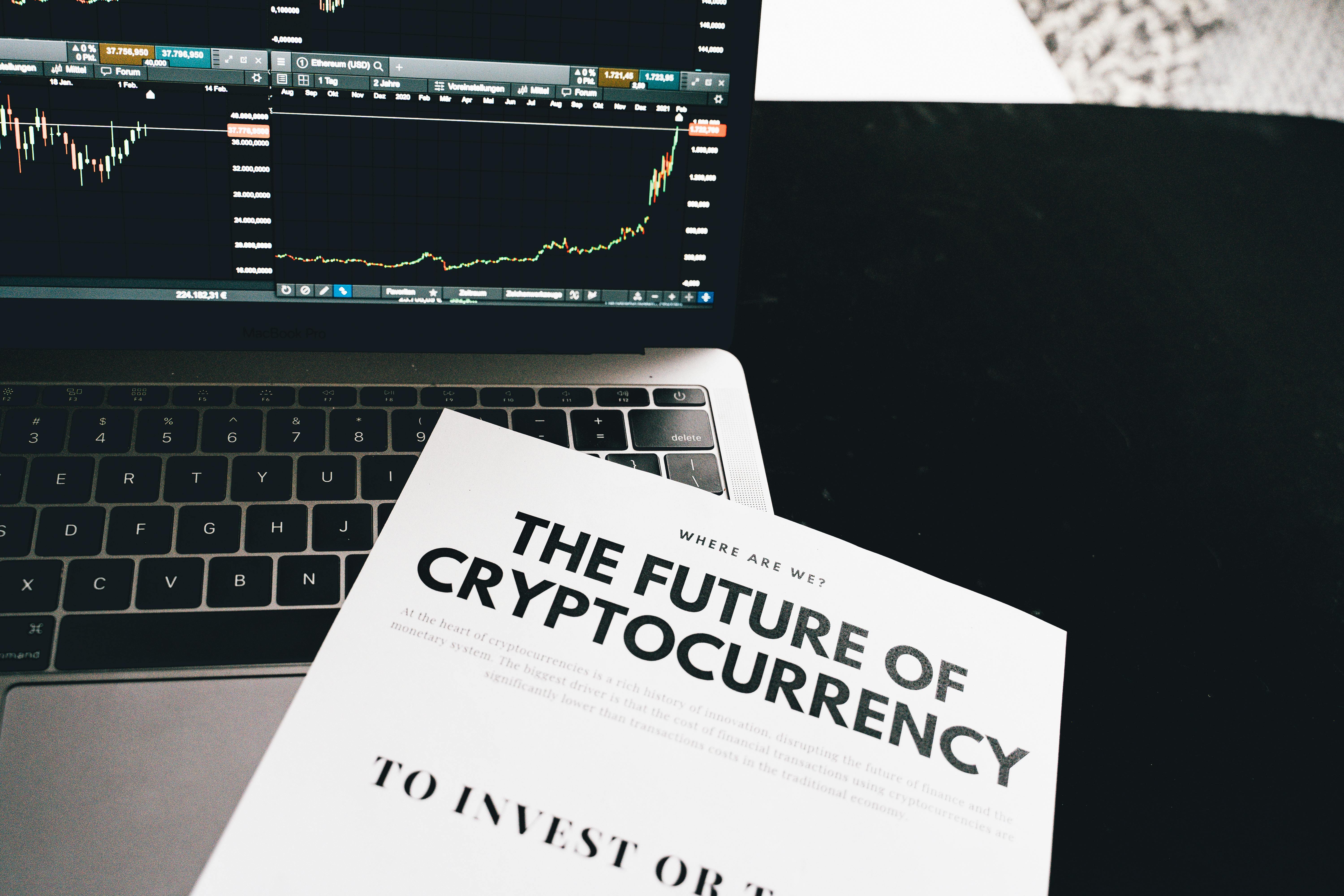
Discover how Real-World Asset (RWA) tokenization is revolutionizing investment in 2026, offering unparalleled opportunities for diversified portfolios, passive income, and accelerated debt reduction strategies. Explore top platforms and strategies for securing your financial future with tokenized real estate, private credit, and commodity investments.
Introduction to the Topic
Welcome to 2026, where the financial landscape is undergoing its most significant transformation in decades. For years, investors have sought innovative ways to generate wealth, escape the shackles of debt, and build resilient portfolios. While traditional assets have their place, a revolutionary paradigm is now firmly established: Real-World Asset (RWA) Tokenization. This isn't just a buzzword; it's the bedrock of a new financial era, democratizing access to exclusive asset classes and offering unprecedented liquidity and transparency. At detoxifydebt.com, we believe understanding and leveraging RWAs is paramount for anyone serious about achieving true financial freedom and permanently eliminating debt.
RWA tokenization involves representing tangible and intangible assets on a blockchain as digital tokens. Imagine owning a fractional share of a luxury Manhattan apartment, a high-performing private credit fund, or a barrel of premium crude oil, all through a secure, liquid, and easily tradable digital token. This technology is dismantling traditional barriers to entry, reducing transaction costs, and creating global markets for assets that were once illiquid and exclusive. As we navigate the mid-2020s, RWAs are no longer speculative experiments but proven investment vehicles, attracting trillions in capital and reshaping how we think about wealth creation and debt management.
Backgrounds & Facts
The journey of RWA tokenization began over a decade ago with early explorations into digitizing securities. However, it's in the last few years leading up to 2026 that regulatory clarity, technological maturity, and institutional adoption have truly propelled it into the mainstream. Industry reports project the RWA tokenization market to exceed $16 trillion by 2030, with significant growth already realized across diverse asset classes.
Key facts underpinning this revolution:
- Market Growth: By 2026, the total value of tokenized assets has surpassed $1.5 trillion, with projections indicating exponential growth as more institutional players enter the space and regulatory frameworks become universally adopted.
- Asset Diversity: The scope of tokenized assets is vast. It encompasses real estate tokenization (commercial, residential, REITs), private credit tokenization (corporate loans, venture debt), commodity tokens (gold, silver, oil), fine art and collectibles, intellectual property rights, and even carbon credits. This diversity allows for unparalleled portfolio diversification.
- Fractional Ownership: One of the most powerful benefits is the ability to own a fraction of high-value assets. This lowers the entry barrier significantly, allowing everyday investors to participate in markets previously reserved for the ultra-wealthy.
- Enhanced Liquidity: Traditional assets like real estate are notoriously illiquid. Tokenization transforms them into easily tradable digital assets, often accessible 24/7 on global secondary markets, improving capital efficiency.
- Transparency & Security: Blockchain's inherent immutability and transparency provide an audit trail for every transaction, reducing fraud and increasing trust. Smart contracts automate processes, enhancing efficiency and security.
- Global Accessibility: Investors from anywhere in the world can access tokenized assets, breaking down geographical barriers and fostering a truly global investment ecosystem.
While the benefits are clear, it's crucial to acknowledge the evolving regulatory landscape. Leading jurisdictions are now providing clearer guidelines for digital securities and security tokens, paving the way for broader institutional adoption and greater investor protection.
Expert Opinion / Analysis
“The rise of RWA tokenization isn't just an evolution; it's a paradigm shift that will redefine wealth management for the next century,” states Dr. Anya Sharma, a leading economist and digital asset strategist at Quantum Capital Group. “In 2026, we’re seeing traditional finance giants fully embrace tokenized assets, not as a side experiment, but as a core component of their investment offerings. This institutional validation is critical for mainstream adoption and for establishing the necessary infrastructure and regulatory clarity.”
Our analysis at detoxifydebt.com aligns perfectly with this sentiment. For individuals aiming to accelerate their journey to being debt-free, RWA tokenization offers several strategic advantages:
- Diversification Beyond Traditional Means: By integrating tokenized real estate, private credit, or commodities, investors can significantly diversify their portfolios beyond stocks and bonds, mitigating risk and potentially enhancing returns.
- Access to Higher-Yielding Opportunities: Many tokenized private credit funds, for example, offer yields significantly higher than traditional savings accounts or even corporate bonds, presenting a powerful tool for generating passive income to pay down debt faster.
- Inflation Hedging: Tokenized real estate and commodities (like gold or silver) have historically served as excellent hedges against inflation. In an unpredictable economic climate, these assets can help preserve and grow wealth.
- Liquidity for Strategic Debt Repayment: The increased liquidity of tokenized assets means investors can more easily access capital from their investments without having to sell an entire property or wait for lengthy traditional processes, enabling strategic debt repayments.
The convergence of Decentralized Finance (DeFi) and RWA tokenization is also creating exciting opportunities. DeFi protocols are increasingly integrating tokenized real-world assets as collateral for lending, borrowing, and yield farming, opening up new avenues for capital efficiency and potentially higher returns, albeit with increased risk. However, for the average investor seeking stability and compliance, CeFi RWA platforms (Centralized Finance) remain the most accessible and regulated entry point.
💰 Best Options in Comparison (VERY IMPORTANT)
Navigating the RWA landscape in 2026 requires understanding the best platforms and approaches to match your financial goals and risk tolerance. Here are some of the leading options for investing in tokenized real-world assets, designed to help you generate wealth and detoxify your debt.
-
1. Regulated Digital Asset Investment Platforms (CeFi RWA)
These platforms specialize in offering tokenized versions of traditional assets, often with strong regulatory oversight. They are ideal for investors seeking ease of use, compliance, and access to high-quality, curated assets. Examples include platforms like AssetStream (focused on tokenized real estate and private equity) or TokenizedGold.io (for commodity-backed tokens).
Key Benefits: High security, regulatory compliance, user-friendly interfaces, often offer diversified portfolios, professional management, and clear tax reporting. Excellent for long-term wealth building and stable income generation.
-
2. Decentralized Finance (DeFi) RWA Protocols
For the more adventurous investor, DeFi protocols are bridging the gap between real-world assets and decentralized finance. Platforms like Credix Finance or Ondo Finance (integrating tokenized U.S. Treasuries) allow users to participate in lending pools collateralized by RWAs, often offering higher yields than traditional finance.
Key Benefits: Potentially higher yields, greater transparency through on-chain operations, direct peer-to-peer interactions, and innovative financial products. Requires a deeper understanding of blockchain and DeFi risks.
-
3. Specialized Tokenized Commodity & Precious Metals Providers
These platforms focus specifically on tokenizing physical commodities like gold, silver, and other industrial metals. They are an excellent hedge against inflation and market volatility, providing stability to a diversified portfolio. Providers like Pax Gold (PAXG) or Perpetual Metals (PMTL) offer tokens directly backed by physical reserves.
Key Benefits: Strong inflation hedge, reliable store of value, high liquidity, often audited regularly for physical backing. Ideal for portfolio stability and wealth preservation.
To help you compare, here's a table summarizing key aspects:
| Feature | Regulated Digital Asset Platforms (CeFi RWA) | DeFi RWA Protocols | Tokenized Commodity Providers |
|---|---|---|---|
| Asset Type Focus | Real Estate, Private Credit, Equity, Funds | Real-world debt, U.S. Treasuries, various asset-backed pools | Gold, Silver, other Precious & Industrial Metals |
| Target Investor | Beginner to Advanced, seeking compliance & stability | Intermediate to Advanced, comfortable with blockchain | All investors, seeking inflation hedge & stability |
| Regulatory Compliance | High (often SEC/FINRA compliant) | Varies, generally lower than CeFi, evolving | High (audited, often regulated as e-money) |
| Typical APY/Returns (Illustrative) | 4-12% (asset dependent) | 6-15% (protocol & risk dependent) | Market appreciation of underlying asset |
| Risk Level | Moderate | Moderate to High | Low to Moderate (market risk of commodity) |
| Key Benefit | Diversification, steady income, ease of access | High potential yield, capital efficiency | Inflation hedge, stable store of value |
| Consideration | Platform fees, asset selection | Smart contract risk, impermanent loss, market volatility | No yield generation, storage fees |
Outlook & Trends
The future of RWA tokenization in 2026 and beyond looks incredibly promising. Several key trends are set to further solidify its position as a cornerstone of the global financial system:
- Increased Institutional Adoption: Major banks, asset managers, and sovereign wealth funds are not just observing; they are actively building out their digital asset divisions and launching tokenized funds. This influx of institutional capital will bring greater stability, liquidity, and credibility to the market.
- Regulatory Harmonization: We anticipate a clearer, more unified global regulatory framework for digital securities. This will reduce friction for cross-border investments and attract more traditional investors who require legal certainty.
- Advanced Interoperability: As various blockchains mature, cross-chain solutions will become seamless, allowing tokenized assets to move effortlessly between different networks, enhancing liquidity and utility.
- AI Integration: Artificial intelligence will play an increasingly vital role in RWA tokenization, from automated asset valuation and risk assessment to optimizing portfolio allocation and identifying new tokenization opportunities.
- New Asset Classes: Expect the tokenization of increasingly niche and complex assets, such as environmental credits, intellectual property royalties, and even human capital, opening up entirely new investment frontiers.
- RWA-Backed Stablecoins & Lending: The use of tokenized real-world assets as collateral for stablecoins and decentralized lending protocols will become more sophisticated, offering robust, yield-bearing alternatives to traditional financial products.
These trends indicate that RWA tokenization is not merely a passing fad but a foundational shift that will continue to evolve, offering ever more sophisticated and accessible ways to invest and manage wealth.
Conclusion
In 2026, Real-World Asset tokenization stands as a beacon of financial innovation, offering a powerful pathway to diversified wealth creation and, crucially, a faster route to debt freedom. By democratizing access to previously exclusive asset classes, enhancing liquidity, and leveraging the transparency and security of blockchain technology, RWAs empower individual investors like never before. Whether you're a seasoned investor or just beginning your journey to financial independence, integrating tokenized assets into your portfolio is no longer an option but a strategic imperative.
At detoxifydebt.com, we urge you to explore the regulated platforms and innovative protocols discussed, carefully weighing the opportunities against your risk tolerance. The future of wealth is digital, and by embracing RWA tokenization, you can build a more resilient, diversified, and prosperous financial future – one that is truly free from the burden of debt. Don't just watch the revolution; become a part of it. Start exploring RWA investment opportunities today and take control of your financial destiny.