
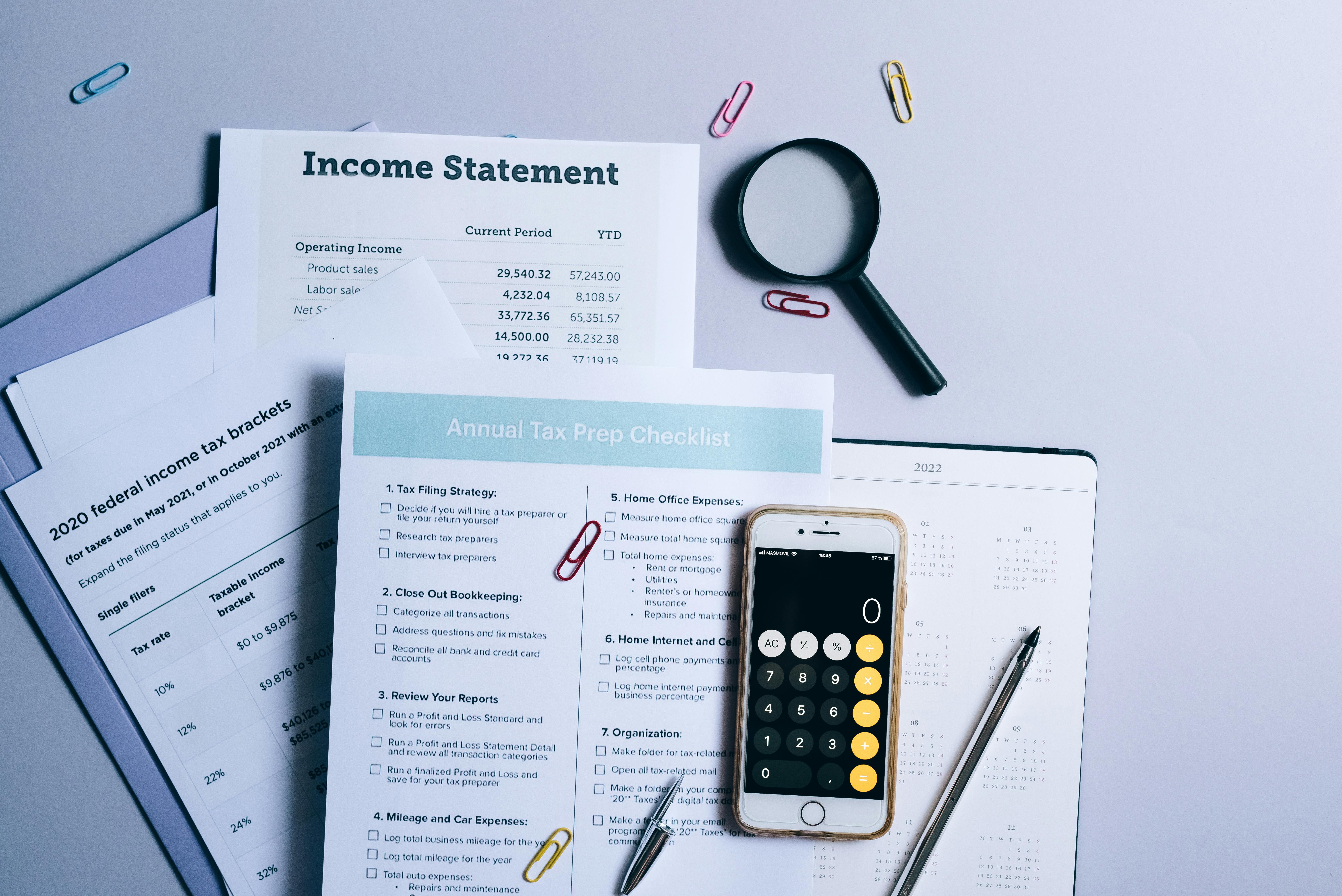
Discover how cutting-edge AI-powered tax software and personalized planning services are transforming the tax landscape in 2026. Learn to maximize your deductions, minimize liabilities, and optimize your wealth with intelligent tax strategies, ensuring you keep more of your hard-earned money. Compare the best automated tax solutions and expert-led platforms designed for peak financial efficiency.
Introduction to the Topic
For decades, tax season has been synonymous with stress, confusion, and the nagging feeling that you might be leaving money on the table. The labyrinthine nature of tax codes, coupled with ever-evolving regulations, has made true tax optimization a daunting task for even the most financially savvy individuals. But what if there was a way to navigate this complexity with unparalleled precision, identifying every potential saving and strategically planning for future financial goals? Welcome to the era of AI-powered personalized tax optimization, a game-changer poised to redefine how we approach our finances in 2026 and beyond.
As technology accelerates, Artificial Intelligence is no longer a futuristic concept but a practical tool revolutionizing various sectors, and tax planning is no exception. We’re moving beyond simple automated forms to sophisticated algorithms that analyze your entire financial footprint, predict future tax implications, and craft bespoke strategies tailored to your unique circumstances. This isn't just about filing taxes; it's about proactive wealth management, ensuring every dollar works harder for you. In this comprehensive guide, we'll delve into how AI is making personalized tax planning accessible, efficient, and incredibly powerful, empowering you to detoxify your debt and supercharge your savings.
Backgrounds & Facts
The tax landscape in 2026 is more intricate than ever. We've seen a continued expansion of digital asset reporting requirements, evolving regulations around remote work, and a persistent focus on wealth transfer and capital gains taxation. For the average taxpayer, keeping abreast of federal, state, and even local tax nuances, let alone understanding their interplay, is a full-time job. Traditional tax preparation methods, whether manual or using basic software, often fall short when it comes to truly optimizing for complex financial situations, such as multiple income streams, diverse investment portfolios including cryptocurrencies, real estate holdings, or significant life events like marriage, divorce, or retirement planning.
Studies consistently show that millions of taxpayers miss out on eligible deductions and credits each year, collectively amounting to billions in overpaid taxes. This isn't due to negligence but rather the sheer volume of information and the difficulty in connecting disparate financial data points. This is where AI steps in. Advanced algorithms can ingest vast amounts of financial data – from bank statements and investment reports to property records and digital asset transaction histories – far more efficiently and accurately than any human. They can identify patterns, flag potential deductions based on your spending habits, and even model the tax implications of various financial decisions before you make them. The rise of AI in finance has been exponential, with predictive analytics and machine learning becoming cornerstones for everything from fraud detection to personalized investment advice. Now, these powerful capabilities are being harnessed to transform tax planning from a reactive annual chore into a dynamic, proactive financial strategy.
Expert Opinion / Analysis
“The shift to AI-driven tax optimization isn't just an incremental improvement; it’s a paradigm shift,” explains Dr. Anya Sharma, a leading fintech tax strategist and author of ‘The Algorithmic Accountant.’ “In 2026, AI is moving beyond data entry and into true strategic partnership. Imagine an intelligent system that not only understands current tax law but also learns from your past financial behaviors, anticipates future changes, and proactively suggests optimal moves for wealth preservation and growth. This is the reality we are living in.”
Dr. Sharma emphasizes that AI's strength lies in its ability to process and cross-reference data points at a scale and speed impossible for humans. “For instance, an AI can analyze your investment portfolio and automatically identify opportunities for tax-loss harvesting, or precisely calculate the most advantageous timing for selling assets to minimize capital gains tax. It can even forecast the impact of a new business venture or a significant inheritance on your overall tax liability, offering actionable advice months or even years in advance.” This proactive, predictive capability is what sets modern AI solutions apart. While human tax advisors remain invaluable for complex ethical considerations, bespoke legal advice, and navigating highly unique situations, AI liberates them from tedious data crunching, allowing them to focus on higher-level strategic consultation. The best solutions in 2026 are those that seamlessly integrate AI's computational power with the nuanced judgment of a seasoned human expert, offering a hybrid approach that provides both efficiency and peace of mind.
💰 Best Options in Comparison (VERY IMPORTANT)
As we navigate 2026, the market for AI-powered tax optimization tools and services has matured significantly, offering diverse solutions for every financial profile. Whether you're a DIY enthusiast, a busy professional with complex investments, or a high-net-worth individual seeking comprehensive wealth management, there's an AI-driven option designed to help you save money and gain financial clarity.
- AI-Powered DIY Software Suites: These platforms are perfect for individuals and small business owners who prefer a hands-on approach. They integrate sophisticated AI to guide you through the filing process, identify deductions, and even offer basic tax planning advice. Look for features like automated data import, predictive tax scenario modeling, and robust digital asset reporting.
- Hybrid AI + Human Advisor Platforms: For those with more complex financial situations or simply seeking peace of mind, these services combine the efficiency of AI with access to certified human tax professionals. The AI handles the heavy lifting of data analysis and initial optimization, while a human advisor provides personalized consultations, reviews strategies, and offers bespoke advice. This model is ideal for navigating significant life events, complex investment portfolios, or small business tax planning.
- Dedicated AI Tax Consulting Firms: Geared towards high-net-worth individuals, families with trusts, or businesses with intricate structures, these firms leverage proprietary AI platforms alongside a team of expert tax attorneys and CPAs. They offer comprehensive wealth management tax planning, estate planning optimization, and advanced strategies for minimizing tax liabilities across multiple jurisdictions and asset classes. These are often integrated with broader financial planning services.
Comparison of Leading AI Tax Optimization Solutions (2026)
| Feature/Service | AI Tax Navigator Pro (DIY Software) | SmartWealth Tax Optimize (Hybrid Platform) | Apex Tax & Estate AI (Consulting Firm) |
|---|---|---|---|
| AI Personalization Score (1-5) | 4 | 5 | 5+ |
| Human Advisor Access | Limited (add-on) | Included (dedicated) | Dedicated team |
| Cost Range (Annual) | $99 - $299 | $500 - $2,500+ | $5,000 - $25,000+ |
| Ideal User | Individuals, small businesses, digital asset holders | High-income earners, complex investments, growing businesses | High-net-worth, trusts, multi-entity businesses, estate planning |
| Digital Asset Support | Advanced integration | Comprehensive tracking & reporting | Integrated with wealth management |
| Proactive Planning Features | Basic scenario modeling | Advanced predictive analytics, quarterly reviews | Holistic financial forecasts, long-term strategy |
| Customer Support | Online, community forum | Dedicated account manager | Priority, direct access to experts |
When choosing an option, consider your financial complexity, desired level of involvement, and budget. Many providers offer free trials or initial consultations, allowing you to experience the power of AI-driven tax optimization firsthand. Don't hesitate to book a demo or speak with a representative to find the perfect fit for your 2026 tax planning needs.
Outlook & Trends
The trajectory for AI in tax planning points towards even deeper integration and predictive capabilities. By 2030, we can expect AI systems to not only recommend optimal tax strategies but also to execute certain financial transactions automatically, such as rebalancing portfolios for tax efficiency or initiating tax-loss harvesting, all within predefined parameters and with user consent. The concept of a “personal financial AI assistant” that proactively manages your entire financial ecosystem, with tax optimization as a core function, is rapidly approaching.
Furthermore, blockchain technology is set to play a significant role. Imagine immutable, real-time records of all financial transactions stored on a blockchain, instantly verifiable and accessible to AI for tax computation and auditing. This could drastically reduce fraud, simplify compliance, and make tax filing almost instantaneous. Regulatory bodies are also grappling with how to oversee these advanced AI tools, ensuring fairness, transparency, and data privacy. We anticipate clearer guidelines and certifications for AI tax software and services, fostering greater trust and adoption. The role of the human tax professional will continue to evolve, shifting from data processors to strategic advisors, leveraging AI insights to deliver even higher value to their clients. The future of tax planning is one of unparalleled personalization, efficiency, and empowerment.
Conclusion
In 2026, the opportunity to truly detoxify your debt and optimize your wealth through intelligent tax planning is more accessible than ever before. AI-powered solutions are no longer a luxury but a crucial tool for anyone serious about financial well-being. By leveraging these innovative technologies, you can move beyond simply complying with tax laws to actively shaping your financial future, maximizing deductions, minimizing liabilities, and strategically planning for long-term growth.
Whether you opt for a robust DIY software, a hybrid platform with human expert oversight, or a dedicated AI tax consulting firm, the common thread is the power of personalized, proactive tax optimization. Don't let the complexity of the tax code diminish your hard-earned money. Explore the best AI tax software and services today, book a consultation with a recommended tax advisor, and unlock your true financial potential. The future of smart money management is here – are you ready to embrace it?