
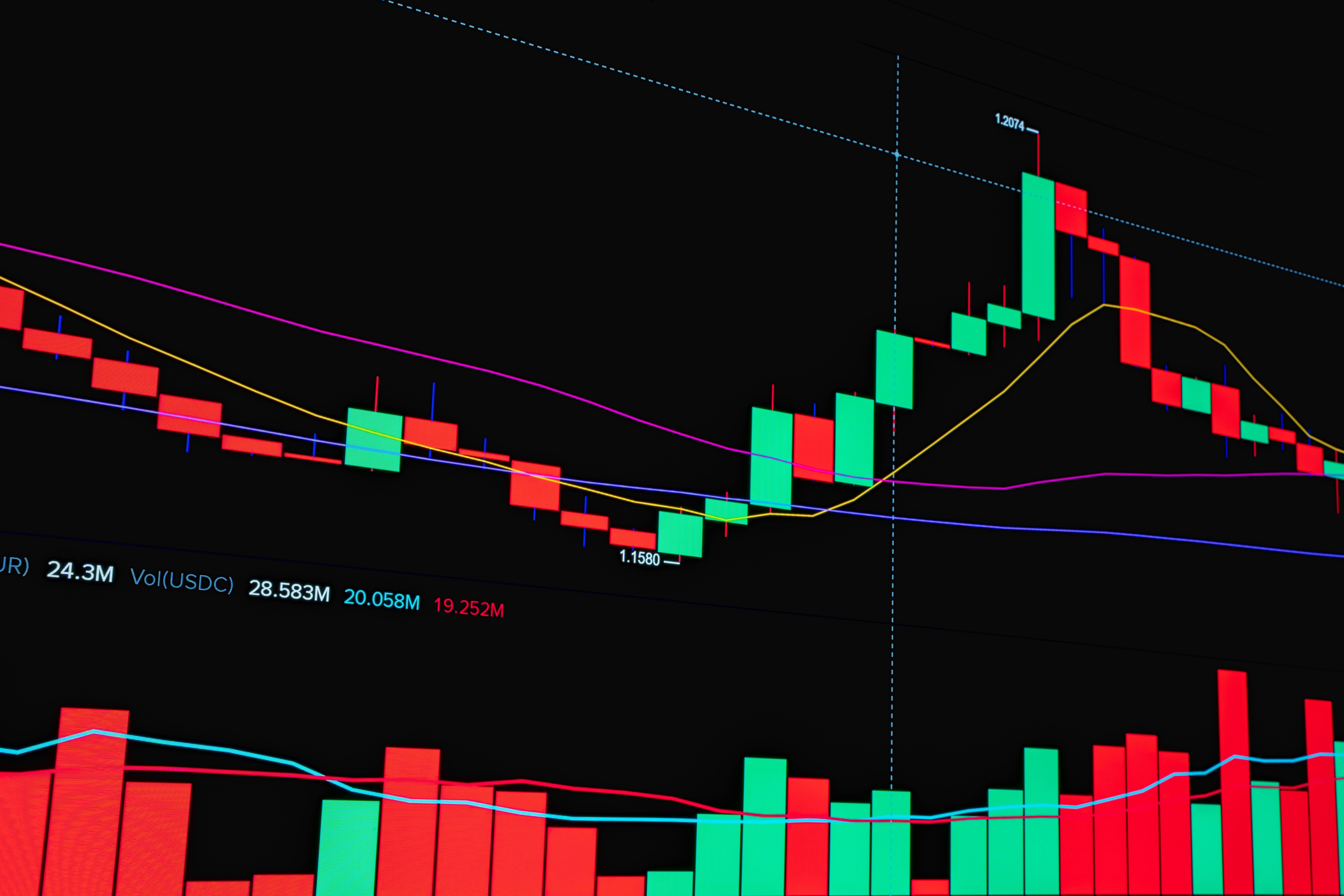
A stock split is one of the few corporate actions that is mathematically neutral by construction. Prices nonetheless react, and the reaction has explanations that sit outside the math.
The arithmetic is exact
In a two for one split, each share becomes two and the price per share halves. The holder's total value, ownership percentage and claim on earnings are unchanged.
Per share figures adjust with it. Earnings per share, dividends per share and historical price charts are restated so that comparisons across the split date remain meaningful.
Nothing enters or leaves the company. No cash is raised, no debt is retired and the underlying business is exactly what it was the day before.
Accessibility was the traditional rationale
When shares traded in round lots of one hundred, a high price put a position out of reach for smaller investors, and splits addressed that directly.
Fractional share trading has weakened this argument considerably, since a brokerage customer can now buy a portion of a share at almost any price level.
Options markets still trade in standardized contracts covering one hundred shares, so a very high share price continues to affect the practical cost of options positions.
The announcement carries information
Companies rarely split after a decline. A board proposing a split is usually doing so following a sustained rise, and management chooses the timing.
Market participants read that timing as a statement about how leadership views the durability of the price level, which is information the split itself does not contain.
This signaling explanation is the common account of why prices sometimes move on the announcement, and it concerns expectations rather than any change in value.
Index membership can be affected
Indexes weighted by share price rather than market value are directly affected, because a split reduces the price and therefore the weight of the company inside the index.
Indexes weighted by market capitalization are unaffected, since total market value does not change and the weight calculation ignores the price per share.
Funds tracking a price weighted index must adjust their holdings after such a split, which produces mechanical trading unrelated to any view about the company.
Reverse splits run the other way
A reverse split consolidates shares to raise the price, often when a company faces an exchange listing requirement setting a minimum share price.
The arithmetic is equally neutral, but the context usually is not, because the circumstances prompting the action tend to involve a prolonged decline.
Reading either action as evidence about the business requires looking at why the board acted, since the mechanical effect on ownership is precisely zero in both cases.